What Freemasonry actually is
Freemasonry, on the United Grand Lodge of England's own definition, is one of the world's oldest non-religious, non-political fraternal organisations. Members describe it, in a phrase repeated in lodges across the world, as a peculiar system of morality, veiled in allegory and illustrated by symbols.
That description captures the unusual thing about it. The point of a lodge meeting is not stonemasonry. It is a structured way of inviting men to think about how they treat other people, what kind of life they want to lead, and what they owe to family, community, and country. The square, the compasses, the plumb rule, the rough and smooth ashlar - these are the working tools of medieval masons, kept as moral metaphors. A square reminds you to act with rectitude. The compasses ask you to keep your desires within proper bounds. The rough ashlar represents the man you are. The smooth ashlar, the man you are trying to become.
Becoming a Freemason involves three ceremonies, called degrees, each of which is a piece of dramatic ritual built around a moral theme. They are called the Entered Apprentice, the Fellow Craft, and the Master Mason. The ritual is allegorical drama, not theology. UGLE codifies four values members are asked to live by: integrity, friendship, respect, and service.
A candidate must affirm a belief in a Supreme Being. UGLE deliberately leaves the term broad. Christians, Jews, Muslims, Hindus, Sikhs, and others sit at the same table. The volume of the candidate's own sacred law is open during ceremonies, alongside the square and compasses. Religion and party politics are not discussed in lodge.
What it isn't
UGLE is explicit, in its own published material, that Freemasonry is not a religion, not a secret society in the conspiratorial sense, not a route to professional advantage, and not a body that takes corporate political positions. It has been progressively more public about this since the 1980s, opening its archives, publishing membership data, and operating a free public museum at Great Queen Street.
Operative origins: stonemasons and lodges
The story begins, properly, with the men who actually cut and laid the stones of medieval cathedrals and castles. Working stone was a high-trust trade. A cathedral could take a century to build, drew skilled men from across regions, and required a system of training and accreditation that no central guild could administer at the local level. The lodge was the answer.
Originally, a lodge was a physical lean-to workshop attached to a cathedral building site. It housed the masons, taught apprentices, set wage rates, and settled disputes. It also held something like a recognition system. A travelling mason arriving at a new site could prove he was qualified by signs and words known only to those who had been formally received.
The earliest documents that describe this craft are called the Old Charges. The oldest, the Regius Manuscript (also called the Halliwell Manuscript), dates from around 1390. It is a Middle English poem of sixty-four vellum pages, telling a legendary history of the craft and setting out fifteen articles and fifteen points of conduct. The Cooke Manuscript follows around 1410. Andrew Prescott, in his published academic work, has argued these were not just internal moral codes. They were tools in a real labour-market dispute, particularly after the 1425 statute that tried to ban masons' assemblies.
The English and Scottish trajectories then diverged. In England, the trade declined as the Reformation cut cathedral commissions, and the operative lodges withered. In Scotland, by contrast, the Crown imposed structure. William Schaw, Master of Works for King James VI, issued the First Schaw Statutes on 28 December 1598 and a Second Schaw Statutes on 28 December 1599. These set up a hierarchy of wardens, deacons, and masters, mandated that lodges keep proper records, and required apprentices to be tested in what the statutes called the art of memory, a craft of mnemonic recall used to transmit ritual without writing.
This is why the deepest documentary roots of Freemasonry are Scottish, not English. The Lodge of Edinburgh (Mary's Chapel) No. 1 has continuous minutes dating from 31 July 1599. It is, on the documentary record, the oldest masonic lodge in continuous existence anywhere in the world.
The shift to speculative Freemasonry
Speculative Freemasonry is what you get when the lodges stop being workplaces and start being clubs of educated men who use the imagery of the trade as a vehicle for moral reflection. The transition was gradual, ran from roughly the late 1500s to the early 1700s, and ran through Scotland first.
Three landmarks anchor the shift. First, the Schaw Statutes institutionalised the lodge as a record-keeping body, not just a workshop. Second, the admission of non-stonemasons. Mary's Chapel admitted its first non-operative member, the Laird of Auchinleck, on 8 June 1600. Third, two specific gentleman initiations on English soil that left a paper trail.
On 20 May 1641, Sir Robert Moray, Quartermaster-General of the Scottish army, was initiated at Newcastle-upon-Tyne by members of the Lodge of Edinburgh travelling with the army. The minute survives in original orthography. Five years later, on 16 October 1646, at four-thirty in the afternoon, Elias Ashmole - antiquarian, founding Fellow of the Royal Society, donor of what became the Ashmolean Museum - recorded in his diary his initiation at Warrington in Lancashire. Ashmole's entry is the first dated, first-person record of an English speculative initiation. The lodge that received him was non-operative. The men around him were gentlemen. The trade element had become symbolic.
By the time the first Grand Lodge formed in London in 1717, the four lodges that came together had probably been speculative in character for a generation or more. They were meeting in taverns, not in stoneyards. They drew on the same imagery - the working tools, the legend of Solomon's Temple, the four crowned martyrs as patrons of medieval stonemasons - but their members were merchants, lawyers, scientists, and clerks.
The Premier Grand Lodge: 1717 and after
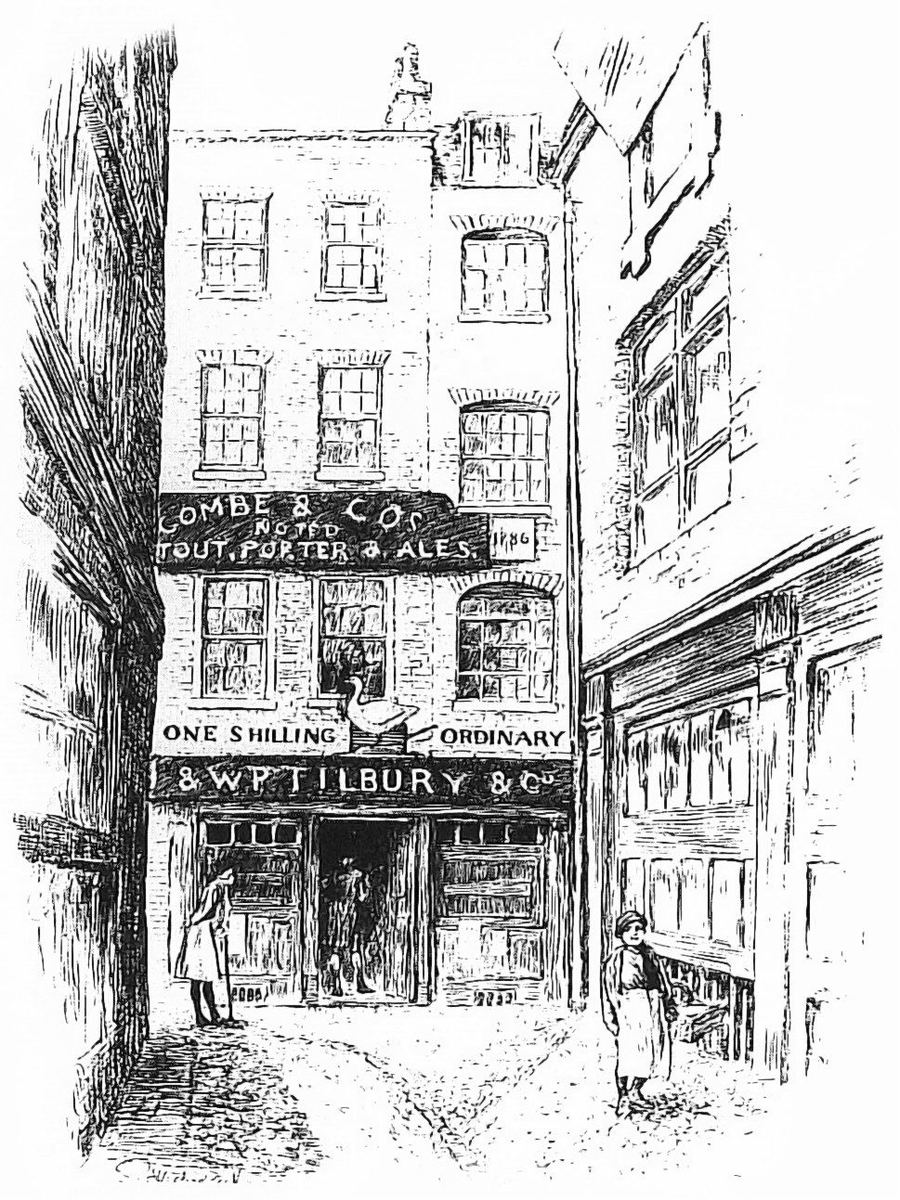
On 24 June 1717, the Feast of St John the Baptist, four London lodges met at the Goose and Gridiron Tavern in St Paul's Churchyard. They declared themselves a Grand Lodge and elected Anthony Sayer, "Gentleman", as their first Grand Master. This was the first Grand Lodge anywhere in the world. It is the institutional moment from which UGLE traces its three-century history.
The four founding lodges met respectively at the Goose and Gridiron, the Crown Ale-house in Parker's Lane, the Apple-Tree Tavern in Charles Street, and the Rummer and Grapes in Channel Row, Westminster. They were not initially a regulatory body. They were a federation. Within a few years, however, the Grand Lodge had become a national, then international, institution.
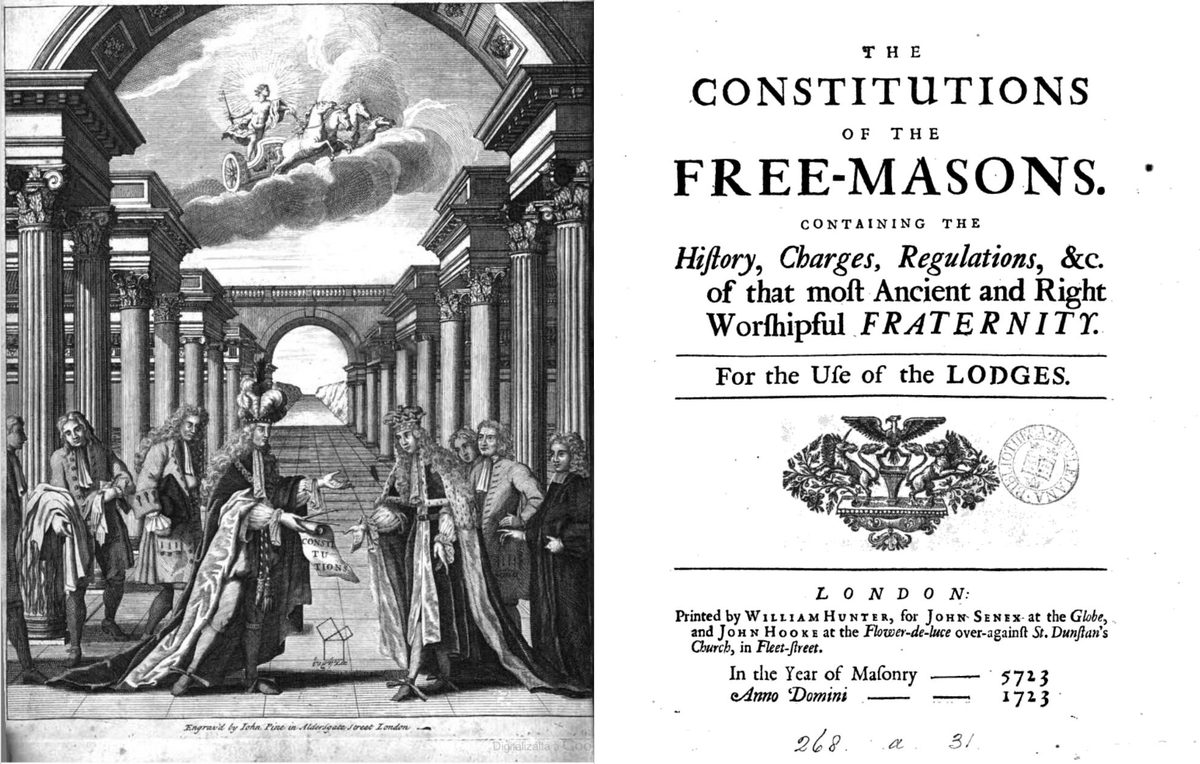
In September 1721 the Grand Lodge commissioned the Reverend James Anderson, a Scottish Presbyterian minister educated at Aberdeen, to write a history and rulebook. The result, The Constitutions of the Free-Masons, was published in 1723. It contained a (largely legendary) history of the craft, the Charges every Mason was expected to observe, and General Regulations for governance. Benjamin Franklin reprinted it in Philadelphia in 1734, the first masonic book published in America.
Spread followed quickly. The Grand Lodge of Ireland was operating by 1725, making it the second oldest Grand Lodge in the world. The Grand Lodge of Scotland was constituted in 1736. By the 1730s and 1740s, lodges chartered out of London, Dublin and Edinburgh had reached Paris, Hamburg, Calcutta and Boston. The Irish Grand Lodge in particular pioneered travelling warrants issued to British army regiments, which carried Freemasonry to every garrison of the empire.
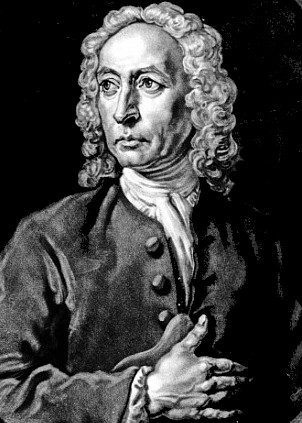
Anthony Sayer himself, who started the whole institution, ended his life poor. He had to petition his own Grand Lodge for charity in 1724, in 1730, and in 1741, the year of his death. He worked latterly as a tyler - the outer-door guard - for another lodge, to make ends meet. There is something quiet and dignified in the fact that the Grand Lodge said yes each time.
The Royal Society overlap
The historian Margaret Jacob has documented that around 45% of Royal Society Fellows in the 1720s were also Freemasons. John Theophilus Desaguliers, the third Grand Master in 1719, was Newton's experimental assistant. Whig Newtonianism and lodge culture were intertwined. Both privileged demonstration, observation, and rule-bound discussion.
The schism and the 1813 Union
By the 1740s the Premier Grand Lodge had a problem. It was respectable, increasingly aristocratic, and (in the eyes of newer arrivals to London, particularly Irish Masons) had drifted from older ritual practice. On 17 July 1751, six London lodges - largely Irish brethren - constituted themselves as a rival Grand Lodge: the Most Ancient and Honourable Society of Free and Accepted Masons, soon known as the Antients.
The driving figure was Laurence Dermott, an Irish-born painter who became Grand Secretary of the Antients in 1752. He was abrasive, prolific, and a brilliant publicist. His 1756 rulebook, titled Ahiman Rezon, argued that the older Grand Lodge had abandoned authentic ritual and that the Antients were the true heirs of the medieval tradition. The Premier Grand Lodge, in a coinage that stuck, became known as the Moderns.
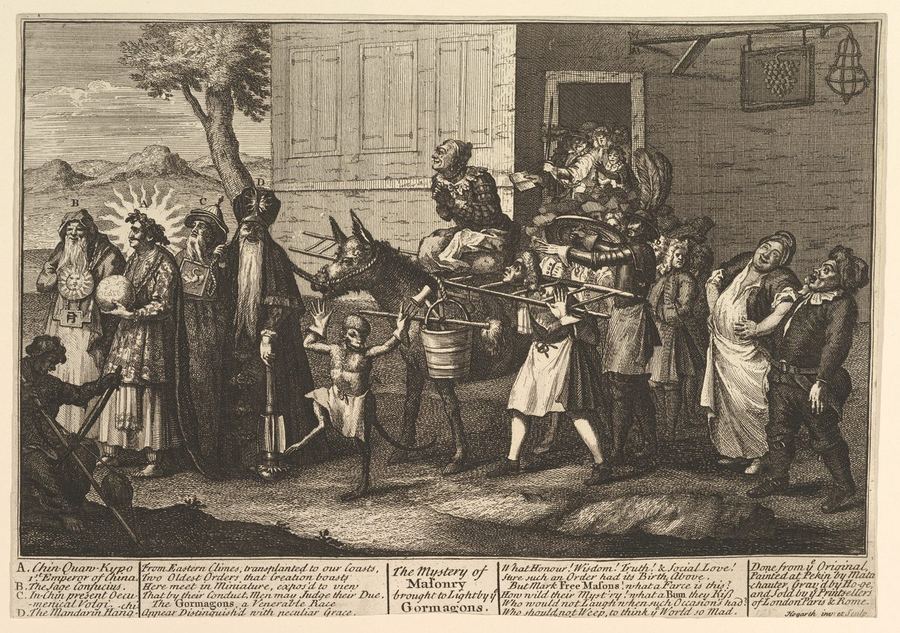
The two Grand Lodges co-existed, often acrimoniously, for sixty-two years. They warranted lodges in the same towns, in the same army regiments, sometimes on the same street. Reconciliation came together because of three things. Dermott's death in 1791 removed the loudest voice for permanent separation. Two royal princes, both younger sons of George III, became Grand Masters of opposite bodies. And there was a shared interest in not splitting English Freemasonry indefinitely.
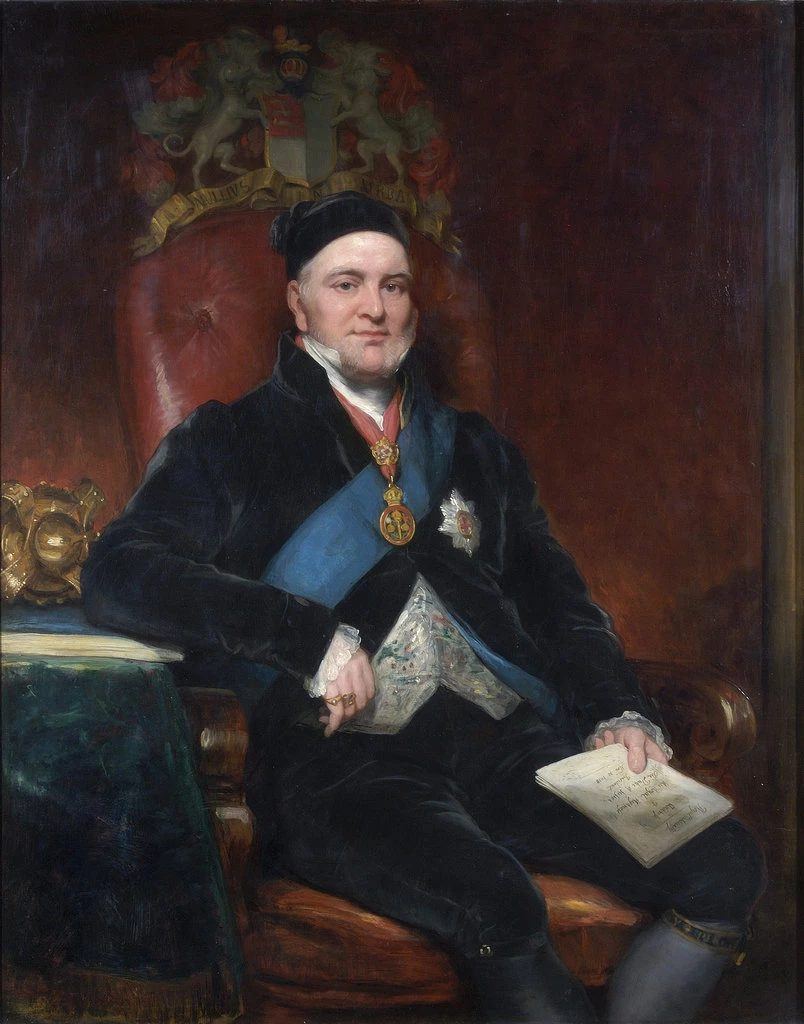
In 1811 each Grand Lodge appointed commissioners. By early 1813 they had drafted Articles of Union. On 25 November 1813, the Duke of Sussex (Moderns) and the Duke of Kent (Antients) signed the Articles at Kensington Palace. On 27 December 1813, at Freemasons' Hall, London, the United Grand Lodge of England was constituted, with the Duke of Sussex as the first Grand Master of the new body. He held that office for thirty years.
One ritual question particularly tested the negotiators. The Antients regarded the Royal Arch as essential and treated it as the completion of the third degree. The Moderns viewed it with suspicion. The compromise, now called the Sussex fudge, defined "pure Antient Masonry" in language that included Royal Arch without making it a fourth degree. That wording is still in use.
Spread, the Enlightenment, and charity
For the 18th century, Freemasonry was probably the most successful associational form Britain produced. By 1735 there were lodges in Paris, Hamburg, The Hague, Madrid, Lisbon, Calcutta, and Philadelphia. By 1800 there were lodges in every state of the new United States.
Margaret Jacob has argued that masonic lodges, with their elections, their minute-keeping, their voted-on by-laws, and their open membership across class lines, were among the most important schools of civil society of the Enlightenment. They taught men to deliberate. They taught them to vote, to take minutes, to follow rules of order, to disagree without breaking off. These are not glamorous skills. They are the working machinery of a self-governing society.
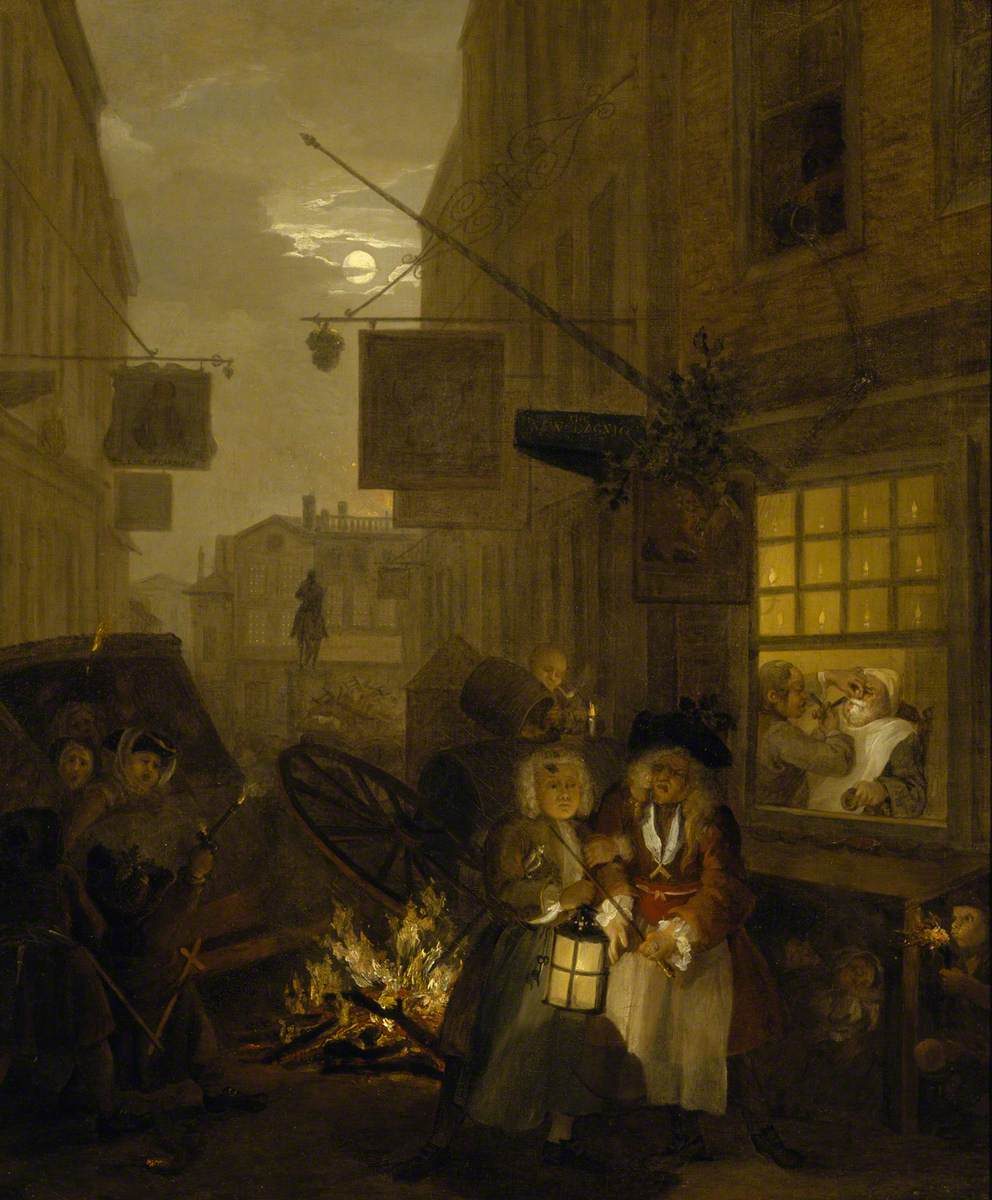
In colonial America, Freemasonry took root early. Benjamin Franklin reprinted Anderson's Constitutions in 1734. George Washington was initiated at Fredericksburg Lodge, Virginia, on 4 November 1752, aged twenty. The Lodge of St Andrew at the Green Dragon Tavern in Boston was meeting upstairs while the Sons of Liberty were meeting downstairs. The fraternity itself stayed institutionally neutral in the Revolution. A striking number of individual Patriots, and a smaller but real number of Loyalists, were Masons. Washington was buried with masonic honours by his lodge in Alexandria, Virginia.
Charity, on the British side, became central. The Royal Cumberland Freemasons' School for female children of Masons was founded in 1788. The Royal Masonic Institution for Boys followed in 1798. The Royal Masonic Benevolent Institution, providing for elderly Masons and widows, was promoted in the 1830s by Dr Robert Crucefix. These three institutions, along with the much later Royal Masonic Hospital (opened 1933 at Ravenscourt Park, on the back of a wartime hospital that treated more than four thousand servicemen during the First World War), form the spine of UGLE-linked charity. They are now consolidated under the Masonic Charitable Foundation, which is one of the largest grant-making bodies in the United Kingdom, though most members of the public would not name it.
The 20th century: persecution, then openness
The twentieth century put Freemasonry under sustained pressure on the European continent, far less so in the United Kingdom, and forced UGLE itself to become significantly more transparent.
Persecution under Nazi Germany began almost immediately. Hitler attacked Freemasonry by name in Mein Kampf. By January 1934 lodges were being banned. In May 1935 the dissolution of all German lodges was ordered. Reinhard Heydrich's SD created Section II/111 to surveil and suppress Freemasonry across Europe. Masons in occupied countries were imprisoned in concentration camps as political prisoners, identified by the inverted red triangle. The United States Holocaust Memorial Museum and other authorities estimate that between eighty thousand and two hundred thousand Freemasons died under Nazi rule, though precise figures remain contested. The forget-me-not flower, easy to wear and easy to deny, became a quiet recognition symbol for Masons in Germany during these years. It is still worn today as a remembrance.
Communist regimes were similarly hostile. Lodges were dissolved in the Soviet Union, and across the Eastern bloc after 1945. In Spain, Franco regarded Freemasonry as a personal enemy and banned it from 1940. In all these settings, lodges either went into exile, dissolved, or operated clandestinely until political conditions changed.
The British trajectory is different. UGLE membership rose through the postwar period, peaked in the 1960s and 1970s, and has declined since. Public scrutiny intensified in the 1980s, particularly around questions of police, judiciary, and Freemason membership. UGLE's response over the next three decades was to lean into openness. It published membership data. It opened Freemasons' Hall to public tours. It expanded the museum at Great Queen Street, which had been founded as far back as 1838 and now holds roughly thirty thousand objects and a library of nearly sixty thousand items. It supported independent academic research, including the establishment of the Centre for Research into Freemasonry at the University of Sheffield in 2000, under Professor Andrew Prescott.
The opening of the UGLE archive to professional historians has produced a generation of scholarly work that the institution itself promotes. The "authentic school" of masonic history, which Quatuor Coronati Lodge had been quietly building since 1886, has become the mainstream.
UGLE today, and what Chipstead inherits
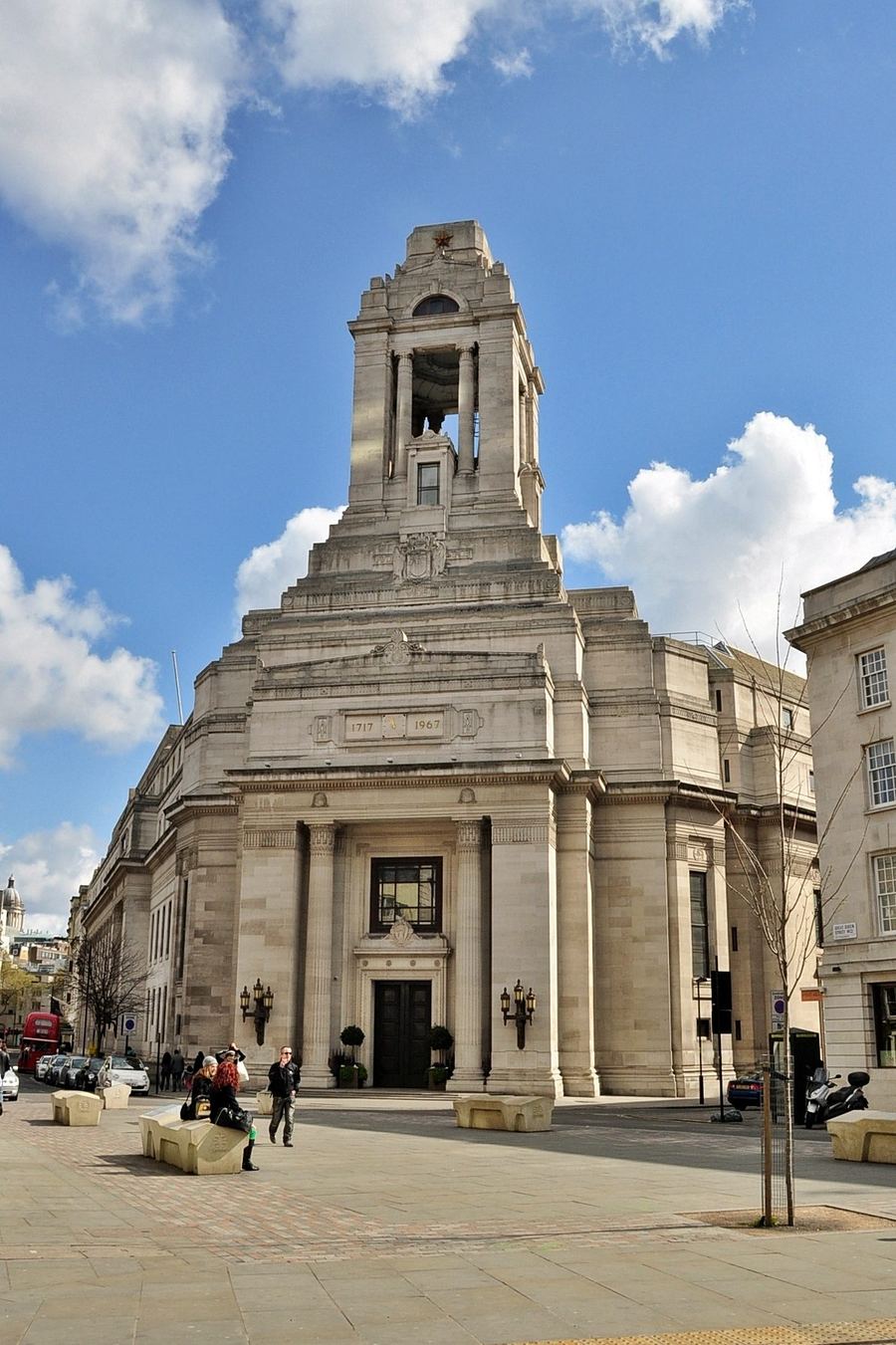
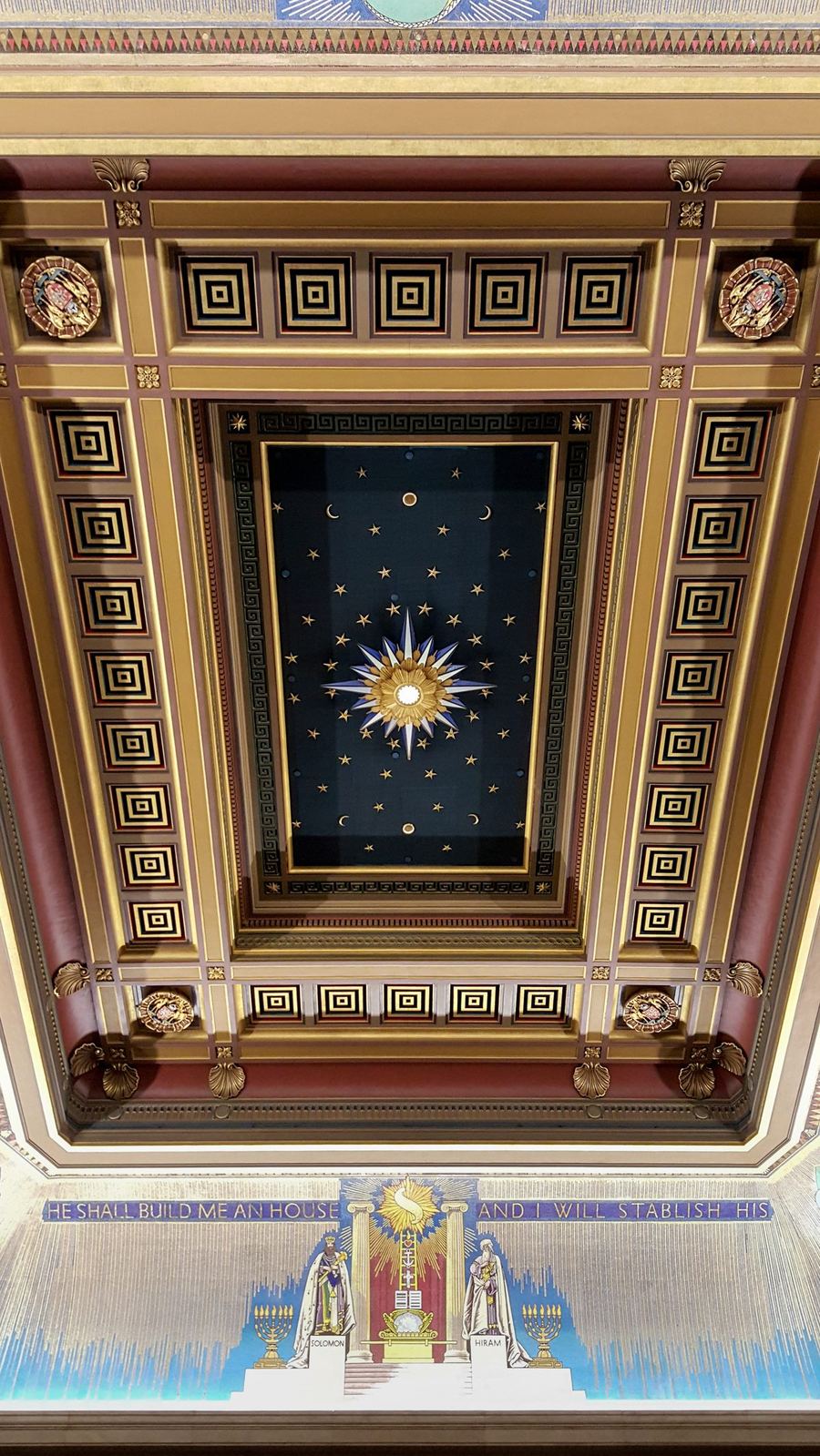
The United Grand Lodge of England is the regulatory body for regular Freemasonry in England and Wales. It is headquartered at Freemasons' Hall, 60 Great Queen Street, London, an Art Deco building completed in 1933 as a memorial to the Masons killed in the First World War.
Below UGLE sit the Provinces, which administer lodges outside London. There are around forty-seven Provincial Grand Lodges. London itself is administered by the Metropolitan Grand Lodge. Each Province has a Provincial Grand Master. Each lodge has a Worshipful Master, elected annually. Surrey is one of these Provinces. Chipstead Lodge No. 5463 is part of it.
Each lodge is autonomous in its day-to-day life. It chooses its own members, runs its own meetings, manages its own finances, and selects its own officers. The number after a lodge's name is its place in the order of foundation. Number 5463 means our lodge was the five-thousand-four-hundred-and-sixty-third to be granted a warrant by UGLE.
Quatuor Coronati Lodge No. 2076 occupies a unique role in this structure. Warranted by UGLE on 28 November 1884 and consecrated on 12 January 1886, it is the world's premier masonic research lodge. Its journal, Ars Quatuor Coronatorum, has published continuously since 1886 and is the oldest masonic research journal in the world. Almost everything you can read on this page that has a date or a name behind it can be traced, eventually, back through that journal's bibliography.
UGLE itself does not admit women. There are, however, two long-established female Grand Lodges in England that work the same ritual structure: the Order of Women Freemasons (founded 1908) and the Honourable Fraternity of Ancient Freemasons (founded 1913). UGLE formally acknowledges both. Internationally, the picture is more varied; mixed-gender bodies exist in many countries.
The 2017 tercentenary marked three hundred years since 1717. The headline event was a special Grand Lodge meeting at the Royal Albert Hall on 31 October 2017, attended by more than four thousand brethren from a hundred and thirty-six Grand Lodges around the world, presided over by HRH the Duke of Kent, who has been UGLE's Grand Master continuously since 1967, the longest tenure of any Grand Master in the institution's history.
A lodge like Chipstead is not a museum piece. The ceremonies we perform have continuity with the eighteenth century, but the men who attend them live in 2026. They commute. They work in modern jobs. They raise families. They care about the same things their neighbours care about. What we inherit, and what we try to live out, is a continuity of practice. The same moral framework that travelled from working stonemasons to seventeenth-century gentlemen to Victorian professionals now sits with men who happen to live in and around Redhill, Reigate and Horley. The continuity is the point.
Things worth knowing that most people don't
A few specifics that bring the abstract history alive, in no particular order.
The earliest masonic minutes in the world are Scottish. Mary's Chapel in Edinburgh has continuous lodge minutes from 31 July 1599. The lodge admitted its first non-stonemason on 8 June 1600. The deepest documentary roots are not in London, despite UGLE's later prominence.
Anthony Sayer died poor. The first Grand Master of the first Grand Lodge in the world had to petition his own organisation for charity three times. He worked latterly as a tyler for another lodge. He was buried at Covent Garden church, followed by a large group of fellow Masons.
The Quatuor Coronati legend names nine martyrs, not four. Severus, Severian, Carpophorus, Victorinus, Claudius, Castorius, Symphorian, Nicostratus, and Simplicius. They were called the four crowned because their original names were lost in early martyrologies.
Mozart wrote masonic ritual into The Magic Flute. He had been initiated in Vienna in December 1784. The opera, premiered in 1791 weeks before his death, contains the three knocks, the three temples, and the trials of fire and water, stitched into the libretto.
Kipling's "Mother Lodge" is a literal lodge in Lahore. Lodge Hope and Perseverance No. 782, where he was initiated in 1886. His poem lists its members: a Hindu, a Muslim, a Sikh, a Jew, and Christians of several denominations sitting at the same table. Which was exactly the point.
Boston Tea Party planning happened upstairs from a lodge. The Lodge of St Andrew met at the Green Dragon Tavern; the Sons of Liberty used the same building. Paul Revere set out from there on his ride to Lexington. The lodge as an institution stayed neutral.
Snuffboxes carved by Napoleonic prisoners of war sit in the Museum of Freemasonry collection. French prisoners who were Masons identified themselves to British Masons through carved symbols, and were treated, in many recorded cases, with practical kindness across enemy lines.
Sir Charles Warren, the first Master of Quatuor Coronati Lodge, made the lodge wait fourteen months for its consecration because he was running a military and diplomatic mission in Bechuanaland when the warrant was issued. The lodge waited.
The Library and Museum of Freemasonry is free to visit. It is on Great Queen Street, central London, in the same building as UGLE. Roughly thirty thousand objects. Open to non-members. Most people who walk past it have no idea it is there.
Curious enough to ask?
A private, no-pressure enquiry is the right next step. Ben Rogers, our Membership Officer, will reply personally within 48 hours.
Visit our enquiry page